


The Glow Duo
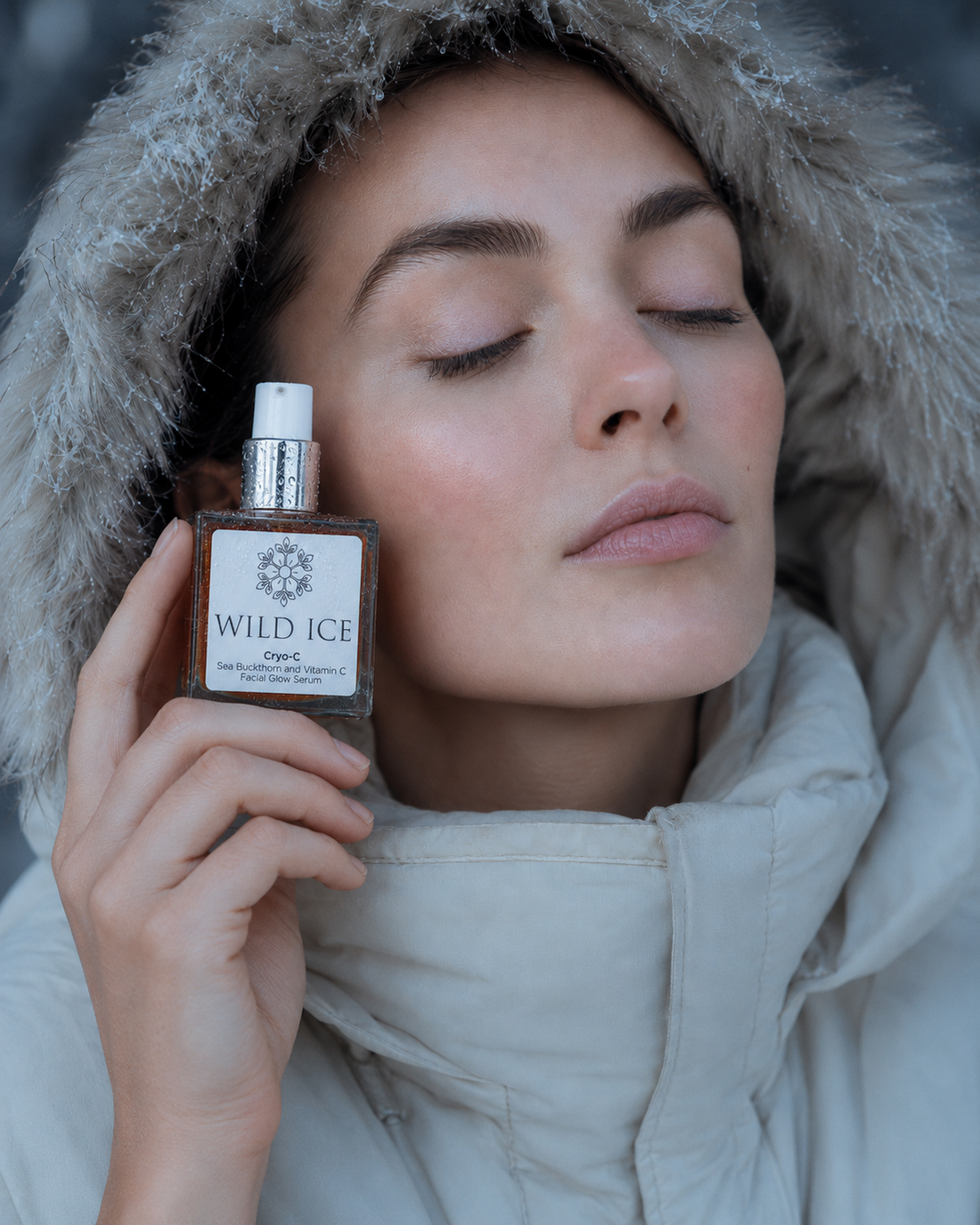
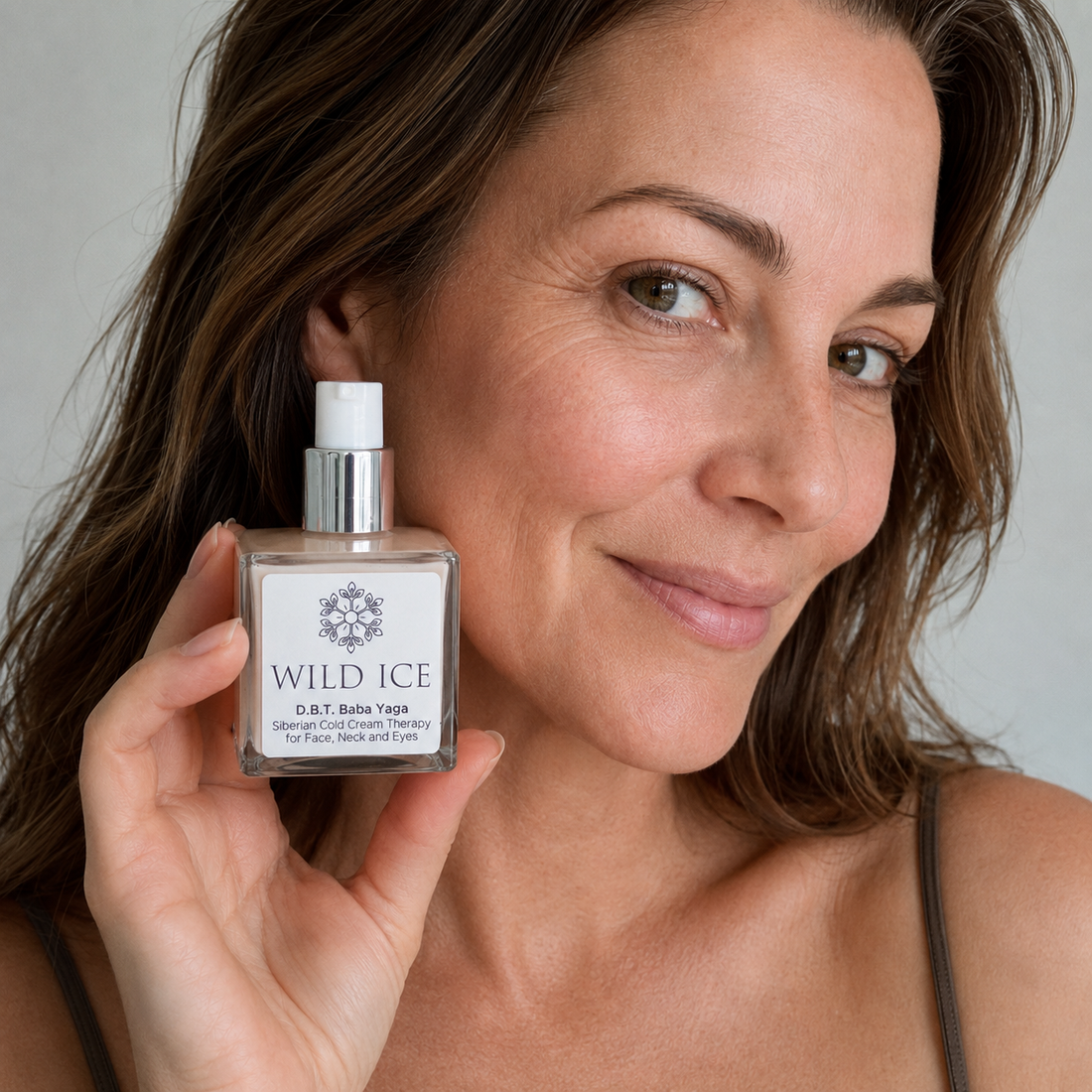
Cryo-C vitamin C serum and D.B.T. Baba Yaga peptide cream. Two treatment steps that fit around your favorite cleanser.
$143.00$128.70


MADE FRESH. KEPT COLD.
Vitamin C and peptides for your daily glow.
Cold-Preserved at 4°C
4.9★ average · 1,400+ reviews
Made Fresh Weekly
Free Shipping $75+
Discover formulas for the results you want, and build a routine that feels right for your skin.




Kayla and Nicole shared their progress with the Essentials Routine. Their photographs are unretouched.
 Before
 After
After"I've had issues with redness and hormonal acne for the last three years … Wild Ice has absolutely changed my life."
 Before
 After
After"After 2 months of use, just a bit of scarring. And after 4 months, completely gone."
Results from the Essentials Routine.
4.9★ average · 1,400+ reviews
"My skin has never looked better. To get me away from my products that I have been using for 15 years is BIG! Most of all my skin isn't inflamed or red."
★★★★★ · Donna J. · Wild Ice Routine · Verified buyer
Read more customer storiesWe make small batches every week and keep our ingredients and finished formulas at 4°C to protect what’s inside.
Bacterial digestion, redox reactions and enzymatic activity can change ingredients over time.
Discover why cold mattersCold inhibits all three types of breakdown.
Inhibits bacterial activity that breaks down ingredients.
Inhibits oxidation and other temperature-sensitive reactions.
Inhibits the activity of enzymes in botanical ingredients.
Our Heat Age example adds up time spent above 4°C, comparing a room-temperature supply-chain scenario with our cold-storage process.
See how we calculated it
Mila grew up watching her grandmother make skincare from her garden. That connection between fresh ingredients and daily care still shapes Wild Ice.
When a major retail chain refused to refrigerate the line, our family walked away from the placement.
Read Mila’s storyStart with serum and cream, or bring the four daily steps together.
Cryo-C vitamin C serum and D.B.T. Baba Yaga peptide cream. Two treatment steps that fit around your favorite cleanser.
$143.00$128.70
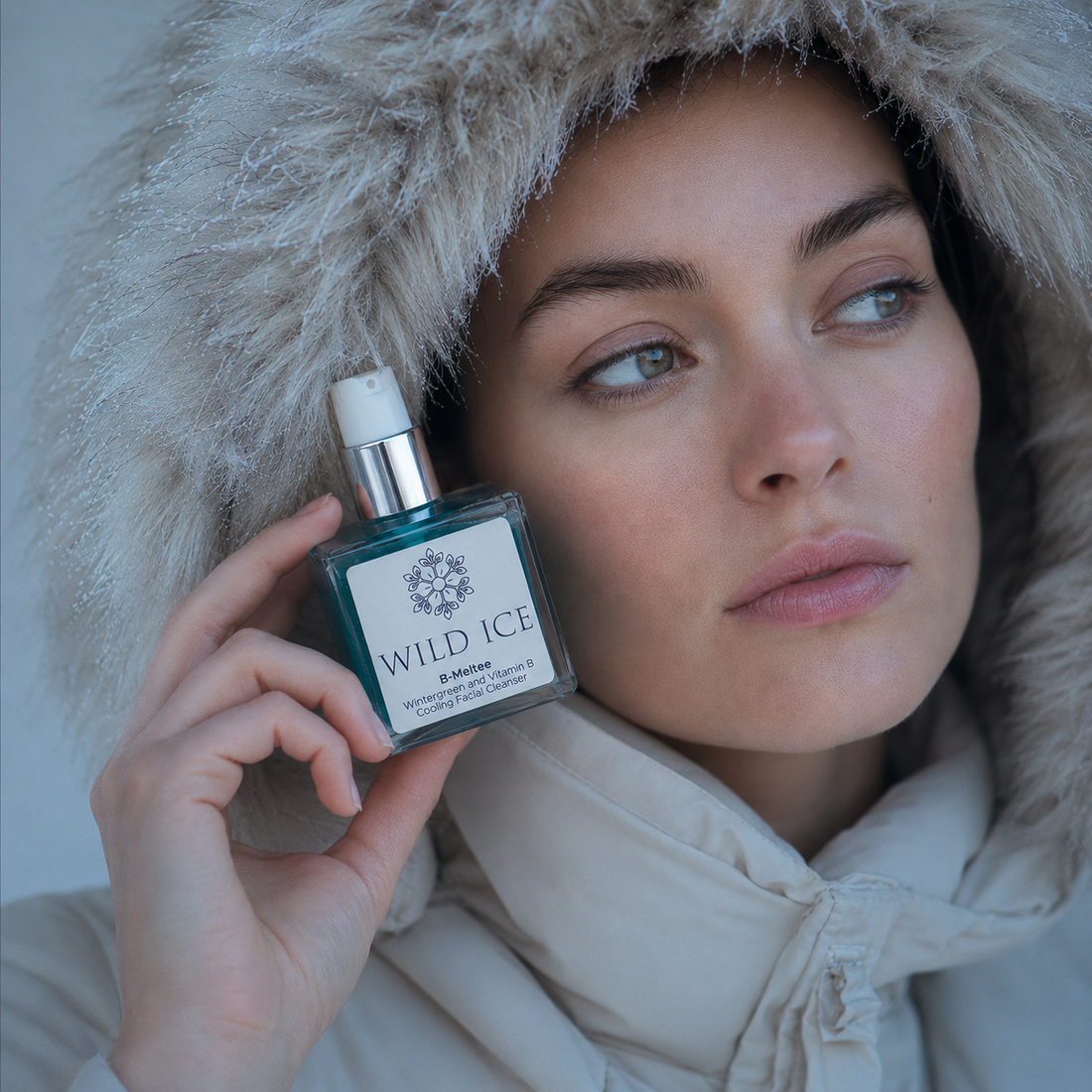
B-Meltee, Gaea’s Gala, Cryo-C and D.B.T. Baba Yaga. Cleanse, tone, treat and moisturize.
$225.00$202.50
See how the steps fit together
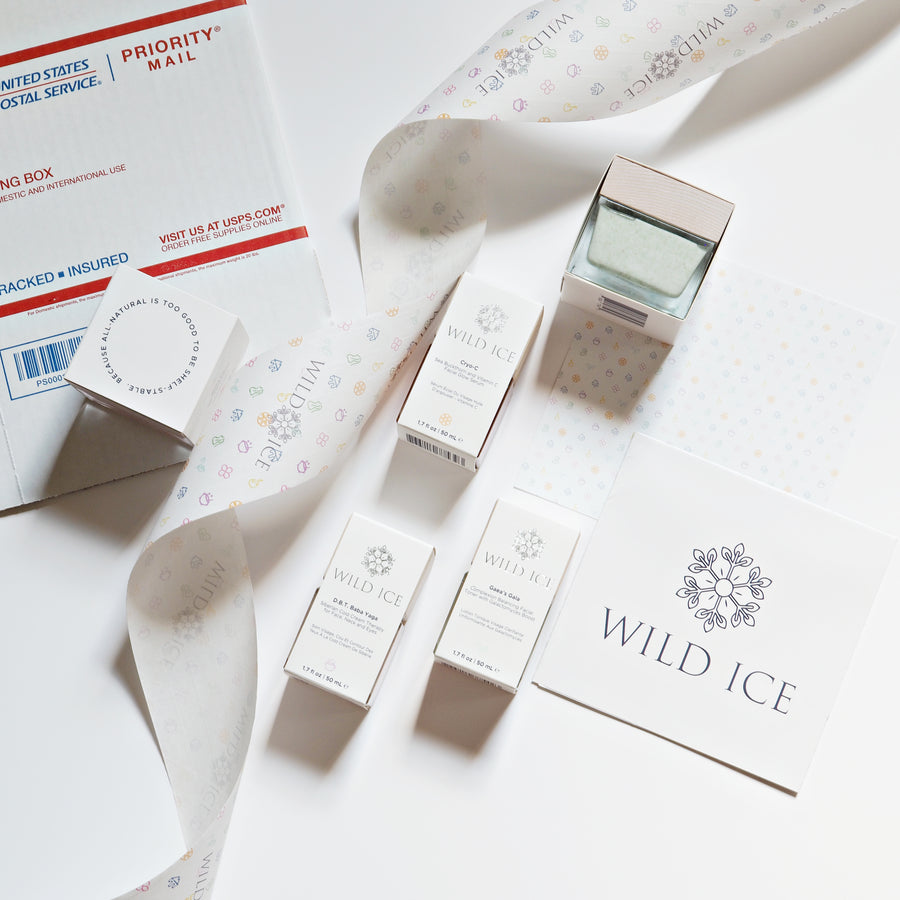
Create your own mix from our subscription selection and save 15–30% on qualifying boxes. Add or swap products anytime; your savings adjust with your box total.
Skip, reschedule, pause or cancel through your account.
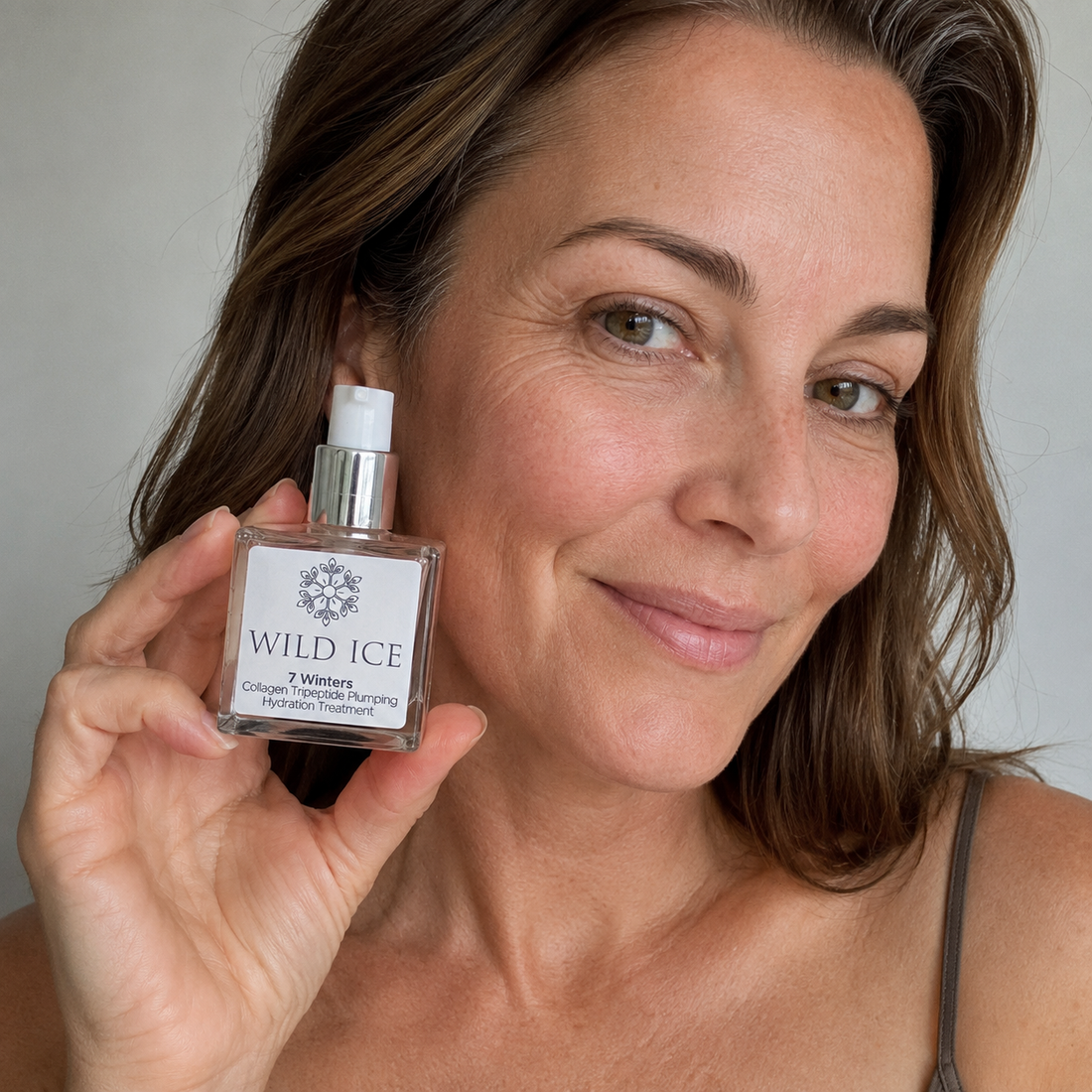
Build your custom box & saveThe Glow Duo pairs a vitamin C serum and peptide cream. The Essentials Routine adds cleanser and toner for four daily steps. If you would like to try a texture first, explore our 8 ml bottles, or let our Start Here guide help you choose.
No beauty fridge is needed for daily use. Aim to finish within about 90 days at room temperature, away from direct sunlight. Storage tips.
Your skincare stays refrigerated in our studio until dispatch. We typically ship Mondays and Thursdays, with free U.S. shipping on orders of $75 or more. See shipping information for dispatch times and delivery details.
